

Transitioning from 28′ Twin trailers to 33’s could result in an estimated 5% savings in overall Door-To-Door costs, while operational expenditures could decrease by 10%. It’s worth noting that variable operating expenses, which make up 65-80% of total On The Road (OTR) costs, could see reductions of 10% or more. Additional savings could also be realized in terminal expenses and pick-up and delivery costs due to handling fewer trailers. Nevertheless, the total Door-To-Door savings may be less than the suggested 10% as overhead, pickup and delivery, and loading tasks are largely not affected by this proposal. These aspects represent around half of Less Than Load (LTL) and Parcel costs. When viewed from a total Door-To-Door cost perspective, the potential savings could be around 5%.” (Source: Noel Perry, “The Economics Of 33′ Double Combination Trailers,” FTR Transportation Intelligence) as reported in the June issue of Trailer Body Builder.
According to the Ron-Knipling-Twin-33-Study-vF,
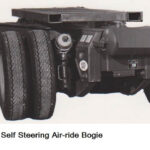
bcde-TRAiNS possess unique benefits over a conventional semi-trailer and could be a strategic asset for organizations like FedEx, UPS and other companies that utilize double trailers. The goal is to remove the “wiggle” from double trailers, simplify their backing up process, minimize the “GAP” to save on fuel and maximize cube space. This is achievable through the built-in design of tractors utilizing the d-TRAiN 5th wheel compound hitch system. The “GAP” at the tractor can be reduced to just 6″, leading to significant fuel savings (422 gallons per year). Furthermore, bcde-TRAiNS can be legally extended from 28.5′ to 33′ doubles, providing added benefits.


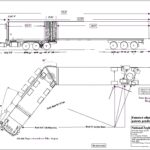
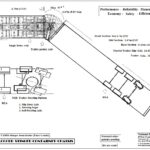
ACCORD-Stinger Semi-trailer Comparison, cde-TRAiN’s
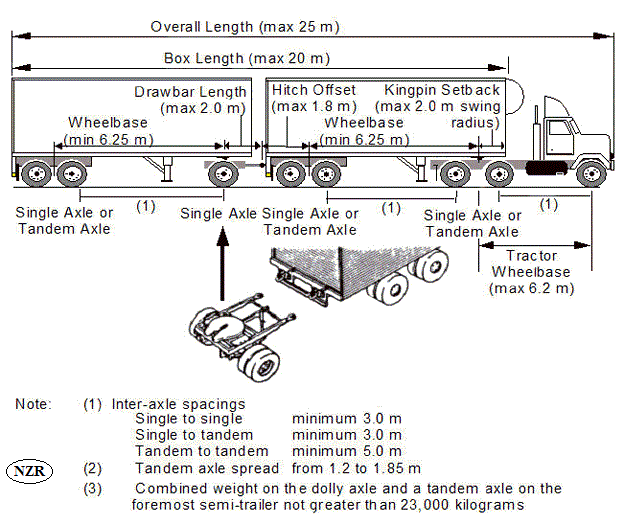
Some of the many configurations, talk to NZR for advice and methodology. The universal ABC dolly a new addition ask about it.