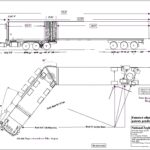
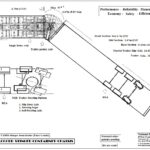
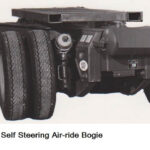
Self-steering axles, also known as steerable axles or self-tracking axles, are an innovative technology that can significantly enhance control and efficiency in various vehicles. These axles are designed to improve maneuverability, reduce tire wear, and increase fuel efficiency.
Here are several ways self-steering axles can maximize control and efficiency:
- Improved maneuverability: Self-steering axles allow vehicles to navigate tight spaces and maneuver with greater ease. By automatically adjusting the steering angle of the axles based on the vehicle’s movement, these axles enhance overall maneuverability, making it easier to navigate in congested areas or tight corners. This feature is particularly beneficial in applications such as urban delivery trucks, trailers, and buses.
- Enhanced stability and control: Self-steering axles contribute to improved stability and control while driving. They help counteract side forces during turns by adjusting the steering angle of the axles, minimizing the risk of oversteering or understeering. This stability enhancement is particularly valuable for large vehicles, such as heavy-duty trucks and trailers, where maintaining control during cornering is crucial for safety.
- Reduced tire wear: Self-steering axles distribute the load more evenly across all tires, reducing tire wear and extending tire life. By automatically adjusting the steering angle based on the load distribution, these axles help prevent excessive tire scrubbing and uneven tire wear, leading to longer tire durability and reduced maintenance costs.
- Increased fuel efficiency: By minimizing tire scrubbing and reducing rolling resistance, self-steering axles can improve fuel efficiency. The reduced tire wear mentioned earlier also plays a role in enhancing fuel efficiency, as tires in good condition offer lower rolling resistance and require less energy to move. Improved fuel efficiency contributes to cost savings and reduces environmental impact by lowering fuel consumption and emissions.
- Compatibility with existing systems: Self-steering axles can be integrated into existing vehicle systems, making them a practical solution for retrofits or new vehicle designs. They can work in conjunction with other technologies like advanced driver-assistance systems (ADAS) or electronic stability control (ESC) to further enhance safety and control.
- Flexibility and adaptability: Self-steering axles are designed to accommodate various vehicle configurations and applications. They can be installed on different axles of a vehicle, such as the front, rear, or tag axles of trucks or trailers, depending on the specific needs. This flexibility allows for customization and optimization of vehicle performance based on the intended use.
In conclusion, self-steering axles offer several advantages to maximize control and efficiency in vehicles. These axles improve maneuverability, enhance stability and control, reduce tire wear, increase fuel efficiency, and can be integrated into existing systems. With their adaptability and potential for retrofitting, self-steering axles are a valuable technology for various industries, contributing to safer and more efficient transportation.